
Last Updated: September 2026
Storms can damage a tile roof through strong winds, heavy rain, hail, falling branches and flying debris.
The best way to reduce the risk is to keep the roof properly maintained, replace damaged or loose tiles, keep gutters and drainage clear, manage nearby trees and have the roof professionally checked before problems become more serious.
For Brisbane and South East Queensland homes, regular roof maintenance is particularly important because severe storms can develop quickly and put additional stress on already weakened roofing materials and connections. Brisbane City Council recommends checking and maintaining roofs, gutters and downpipes as part of preparing a home for severe storms and cyclones.
In this guide, Bayside Roof Repairs and Restorations explains how to prepare a tiled roof for severe weather, what homeowners can check safely themselves, when professional roof maintenance is needed and what to do if your roof is damaged by a storm.
How Can You Protect a Tile Roof from Storm Damage?
- To do some DIY maintenance, regularly clean and inspect the roof, but always keep safety in mind first.
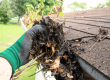
- Ensure that gutters and downspouts are free from debris such as leaves, twigs, and dirt; blocked gutters can cause water to overflow and damage the roof and its supporting structure.
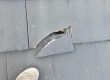
- During inspections, check for any broken, cracked, or loose tiles.
- Tiles can be easily dislodged during high winds, leading to further damage, so replace any damaged tiles promptly to maintain the roof’s integrity.
- Regular inspections, securing roofing materials, trimming surrounding vegetation, preparing for severe weather, investing in professional services, and understanding your insurance policy are all crucial components of an effective roof protection strategy.
Bayside Roof Repairs’ Storm Protection Tips
Safety first: Don’t climb onto a roof to inspect it if you aren’t trained and equipped to do so. Roof tiles can be slippery or damaged, and walking on them can cause further breakage. From the ground, you can look for obvious problems, but a professional should assess areas that cannot be safely inspected.
Queensland’s weather can be unpredictable and severe, with storms and cyclones posing significant risks to homes, including those with tile roofs. The heavy rainfall, strong winds, and flying debris associated with these weather events can dislodge or break tiles. Additionally, the high humidity can cause mould and moss to grow between tiles, weakening the roof structure over time.
Here are some comprehensive steps you can take to safeguard your Brisbane tile roof from storm damage:
How Often Should You Inspect a Tile Roof?
Regular tile roof inspections by a professional roofing company, such as Bayside Roof Repairs and Restorations, are essential to identify and address potential vulnerabilities in your tile roof. The appropriate inspection frequency depends on the age and condition of the roof, surrounding trees, previous storm damage and local exposure. A professional inspection is also sensible after a significant storm or when you notice signs of damage.
Which Roof Problems Should Be Repaired Before Storm Season?
Although tile roofs are susceptible to damage, there are alterations that you can make to ensure your roof is better protected. If you are having a roof built, you can ask the builder to assist with implementing these alterations.
Installing storm clips and straps can significantly enhance the stability of your tile roof. These devices secure the tiles to the underlying structure, reducing the risk of them being lifted by strong winds.
The edges of the roof are particularly vulnerable to wind damage. Reinforcing these areas with additional fasteners and adhesive can help prevent tiles from being ripped away.
Applying a weather-resistant roof coating can provide an extra layer of protection against the elements. These coatings help to seal the tiles, which adds to your maintenance system. They may further prevent water ingress and reduce the risk of damage from wind and debris, but remember that coatings won’t fix underlying issues.
For an existing roof, some homeowners look into DIY options for the above, rather than hiring professionals. However, the right kind of reinforcement depends on the roof’s existing construction and condition. A professional assessment will identify issues with tiles, fixings, battens, connections or other roof components that need attention. It’s best to fix underlying issues rather than rely on temporary DIY jobs.
Which Tile Roof Problems Should Be Fixed Before Storm Season?
From the ground, look for and then create a plan for:
- cracked tiles
- broken tiles
- missing tiles
- loose or displaced tiles
- deteriorated pointing
- damaged ridge caps
- deteriorated or damaged flashings
- blocked gutters and downpipes
- signs of previous leaks
- corrosion or deterioration of relevant roof components
- vegetation or branches overhanging the roof
Can Trees and Branches Damage a Tile Roof?
Trees and branches near your roof can pose a significant risk during storms and cyclones. Trim back any overhanging branches to prevent them from falling onto the roof and causing damage. Also remove any dead or dying trees from your property. These are more likely to be uprooted during a storm and can cause substantial damage to your roof and home. Sometimes having trees or branches taken down can be a big job or an investment when hiring a professional tree removalist or gardener, but it’s well worth it when considering the mitigated risk.
How Can You Prepare Your Property Before a Severe Storm?
There are many ways to prepare for storms and cyclones:
- Weather stripping around your roof edges and windows can help prevent wind-driven rain from entering your home. This simple addition can be highly effective in protecting the roof’s underlying structure from water damage. If water does get in, have buckets and mops ready.
- Before a storm or cyclone, secure or store any outdoor furniture, equipment, and loose objects. These items can become dangerous projectiles in high winds and cause damage to your roof tiles, home and garden.
- Prepare a roofing emergency kit with essential supplies, including tarps and a hammer. This kit can help you with some waterproofing if your roof is damaged during a storm, minimising further damage until professional help arrives. Do not climb on the roof and attempt to make fixes yourself, especially when the roof is still wet.
What Should You Do If a Storm Damages Your Tile Roof?
Here’s your post-storm checklist:
- stay off the roof
- keep away from damaged electrical equipment or fallen power lines
- photograph visible damage from a safe location
- move valuables away from active leaks where practical
- use a container to catch dripping water
- contact your insurer if required
- arrange a professional roof assessment
- use only safe, appropriate temporary measures where recommended
Should a Tile Roof Be Professionally Inspected Before Storm Season?
Regular tile roof assessments by professionals can help you stay ahead of potential issues. Professional assessments can identify weak spots and recommend appropriate measures to reinforce your roof before a storm hits. Engage professional roofing services, such as those offered by Bayside Roof Repairs and Restorations, for all major inspections, maintenance, and repair work. Professional roofers have the expertise and tools necessary to ensure your roof is storm-ready.
What Should You Know About Insurance After Storm Damage?
If damage is to occur, it’s vital to not only have insurance in place but to understand what your policy covers and how to report and claim for damage.
1. Review Your Insurance Coverage:
Ensure that your home insurance policy covers storm and cyclone damage. Understand the terms and conditions, and know what is required for a successful claim in the event of roof damage.
2. Document and Report Damage Promptly:
In the event of damage, document it thoroughly with photographs and detailed notes. Report the damage to your insurance provider as soon as possible to expedite the claims process. Sometimes you may need a professional inspection and quote to take to the insurance company, in which case you can rely on experts such as Bayside Roofing.
Protecting your tile roof from storm and cyclone damage in Queensland requires proactive maintenance, reinforcement, and preparedness. By following these steps, you can significantly reduce the risk of damage and increase the longevity of your roof.
For professional assistance and expert advice on protecting your tile roof, contact Bayside Roof Repairs and Restorations in Brisbane. Our experienced team is dedicated to helping you maintain a durable and storm-resistant roof, ensuring the safety and integrity of your home. We also offer tile roof repair and tile and metal roof cleaning for single-storey homes with roofs up to 2.4 metres to the gutter line.
Frequently Asked Questions
How often should I have my tile roof inspected for storm damage?
The right inspection frequency depends on the roof’s age, condition, surrounding trees and exposure to severe weather. Arrange a professional inspection after a significant storm if you suspect damage or notice leaks, missing tiles or other changes.
Can strong winds lift roof tiles?
Yes. Strong winds can dislodge or break roof tiles, particularly where tiles, fixings or other roof components are already damaged or weakened. A professional inspection can identify vulnerable areas and determine whether repairs or other measures are appropriate.
Are older tile roofs more vulnerable to storm damage?
An older roof isn’t automatically unsafe, but age can mean that some components have deteriorated over time. Cracked or loose tiles, deteriorated pointing, damaged fixings, corrosion and other maintenance issues can affect how well a roof performs during severe weather.
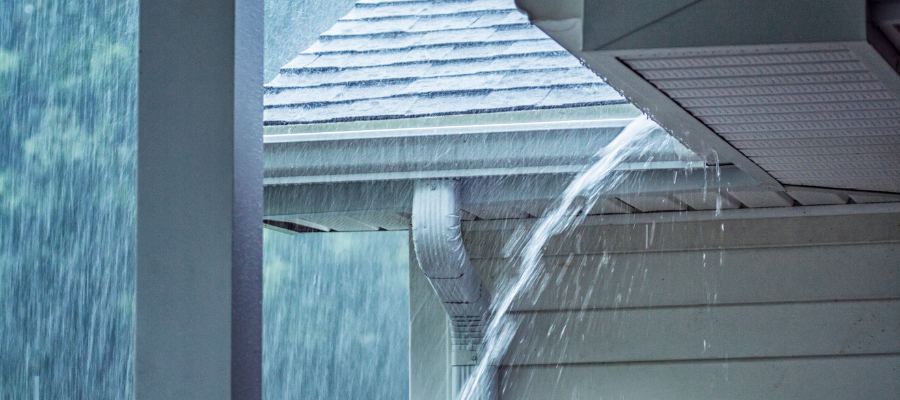
Can blocked gutters cause problems during a storm?
Blocked gutters and downpipes can interfere with the flow of heavy rainfall and may contribute to water overflowing around the roof and property. Clearing and maintaining your gutters before severe weather is a useful part of general storm preparation.