

Last Updated: September 2026
Queensland’s intense sun, humidity, heavy rainfall, storms and, in coastal areas, salt-laden air can all contribute to wear and tear on tile roofs.
Over time, these conditions may contribute to cracked or displaced tiles, deteriorated pointing, moisture problems, mould and other maintenance issues. For Brisbane and South-East Queensland homeowners, regular tile roof inspections and maintenance can help identify weather-related damage before it develops into a more serious roofing problem.
In this blog, let’s look at how Queensland’s climate affects tile roofs and what you can do to keep your roof in good condition.
Quick Answer: What Impacts Queensland Roofs?
- Intense UV exposure and heat
- Heavy rainfall and humidity
- Storms, wind and hail
- Moss, algae and organic growth
- Salt air for coastal properties
- Temperature changes and general weathering
What Are Four Ways Your Roof May Be Impacted By Qld’s Climate?
Queensland, renowned for its stunning coastal scenery and lush hinterlands, also boasts a diverse and often challenging climate. The region’s weather patterns, which range from intense sun and humidity to heavy rainfall and occasional cyclones, have significant implications for homeowners, particularly concerning the maintenance and longevity of tile roofs.
Understanding how Queensland’s climate affects tile roofs can help homeowners take proactive steps to protect their properties. So today, let’s discuss the precautions we at Bayside Roof Repairs and Restorations look into when working on a Qld roof.
1. How Does Brisbane’s Sun and UV Exposure Affect Tile Roofs?
Queensland enjoys abundant sunshine year-round, a characteristic that, while pleasant, can be detrimental to tile roofs. Prolonged exposure to the sun’s ultraviolet (UV) rays can cause tile materials, especially concrete and clay, to degrade over time. This exposure leads to fading, loss of colour, and a reduction in the tiles’ structural integrity.
Intense heat causes tiles to expand, while cooler temperatures at night cause them to contract. This constant thermal cycling can lead to tiles becoming loose or cracked. This can worsen existing problems, and may cause existing micro-cracks to expand and impact the roof’s waterproofing capability. Thermal expansion can even impact the mortar used in tile roofs, causing it to weaken and crumble over time, which can result in tiles shifting or falling off the roof.
2. How Do Humidity and Heavy Rain Affect Tile Roofs?
Queensland’s climate is characterised by high humidity, particularly in the coastal regions, and substantial rainfall, especially during summer. High humidity levels can cause moisture to seep into small cracks and crevices in the tiles. Over time, this moisture can lead to mould and mildew growth, which can further weaken the tile structure and affect the roof’s overall integrity. During heavy rainfall, water can penetrate any existing cracks or damage in the tiles, leading to potential leaks and water damage inside the home.
The combination of humidity and rainfall also creates an ideal environment for moss and algae to grow atop tile roofs. These not only make the roof look unsightly but can also retain moisture, leading to increased wear and tear. Moss can also grow between tiles, lifting them and creating gaps where water can enter, potentially causing further damage.
3. Can Strong Winds Dislodge Roof Tiles?
Strong winds in Brisbane can cause wind uplift, where the wind gets under the tiles and lifts them off the roof. This can lead to significant damage, with tiles being broken or blown away. Wind uplift can also affect the roof’s underlayment, compromising its ability to protect the home from water ingress.
Meanwhile, flying debris can crack or break tiles, leading to immediate damage that requires urgent repair. Even small debris can cause micro-damage that, over time, can expand and lead to more severe issues.
4. Does Salt Air Affect Tile Roofs Near Coastal Queensland Regions?
If you live near the ocean, your home may be impacted by salt-laden air. This can cause metal components of tile roofs, such as nails, flashing, and the metal underlayment, to corrode. This can weaken the overall structure of the roof, leading to potential failures.
While tiles themselves are generally resistant to salt, the mortar and other materials used in the construction of the roof could be affected. Salt can degrade these materials, leading to weakened tiles and potential gaps where water can penetrate.
Regular inspections are necessary to identify and replace corroded components before they cause significant damage.
How Can You Protect a Tile Roof From Queensland Weather?
So, how can Brisbane homeowners mitigate all these risks to protect our homes and families?
Given the unique challenges posed by Queensland’s climate, homeowners should adopt proactive maintenance and protection strategies for their tile roofs:
- Schedule regular tile roof inspections by professional roofing companies, such as Bayside Roof Repairs and Restorations, to identify and address potential issues before they become severe.
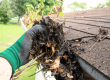
- Do regular maintenance, including cleaning gutters, removing debris, and checking for cracked or loose tiles, to significantly extend the life of the tile roof.
- During restorations, apply protective coatings to tile roofs to help shield them from UV radiation, moisture, and salt air. These coatings can extend the life of the tiles and improve their resistance to Queensland’s harsh climate. Coatings can also help prevent moss and algae growth, keeping the roof looking better and functioning more effectively. (Note that coating should be done during a restoration by professionals, and damaged tiles still need to be fixed or replaced as part of this process.)
- Consider reinforcing the roof with storm clips and straps to protect against wind uplift during cyclones and storms. Upgrading to more durable materials or adding additional insulation can also help protect the roof from temperature fluctuations and humidity.
What Signs of Weather Damage Should You Look For?
As a Brisbane homeowner who wants to protect their property, regularly check your roof (safely from the ground) for:
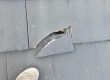
- Cracked or broken tiles
- Missing or displaced tiles
- Deteriorating pointing
- Visible moss or algae
- Blocked gutters
- Damaged flashing
- Water stains inside the home
- Leaks after heavy rain
- Debris or branches on the roof
Contact Bayside
By adopting proactive maintenance and protection strategies, you can safeguard your home against the elements and ensure that your tile roof remains in excellent condition for years to come.
For expert advice and professional tile roof restoration services and information on tile roof restoration costs, contact Bayside Roof Repairs and Restorations in Brisbane.
Our experienced team is dedicated to helping you protect and maintain your roof, ensuring the safety and comfort of your home.
We also offer tile roof repair and metal roof cleaning, and tile roof cleaning for single-storey homes with roofs up to 2.4 metres to the gutter line.
Frequently Asked Questions
Should I check my tile roof after a storm in South East Queensland?
Yes, but only once conditions are safe, particularly after significant wind, hail or heavy rainfall. Do not climb onto the roof. Complete a visual ground-level check and book a professional inspection if damage is suspected.
Can a tile roof leak without having a broken tile?
A roof can develop leaks through problems with flashing, pointing, ridge caps, valleys or other components, even when the tiles themselves appear intact. Water can also travel underneath tiles before becoming visible inside the home, so the location of an internal water stain is not always the location of the original problem. If you notice leaks, call us for a professional inspection as soon as possible.
Do surrounding trees make tile roof maintenance more important?
Yes. Properties surrounded by trees can require more frequent maintenance because leaves, branches and other debris can accumulate on the roof and in gutters. Falling branches can also damage or displace tiles during storms.
Is roof restoration necessary for every weather-damaged tile roof?
The best solution depends on the roof’s age and condition, and the extent of the damage. Some roofs may only need individual tile repairs or maintenance, while roofs with more widespread deterioration may be candidates for restoration. In severe cases, replacement may be more appropriate. A professional assessment can help determine which option is most suitable.