

Last Updated: October 2026
Small roofing problems can be easy to overlook until a leak, blocked gutter or damaged roof component starts affecting your home, but some DIY maintenance is possible to help prevent major issues.
For Brisbane homeowners, a sensible first step is knowing what you can check safely from the ground, which maintenance tasks are appropriate for your skills and when a roofing professional needs to investigate. Clearing accessible debris, keeping records of visible damage and arranging repairs promptly can all help you manage roof problems without taking unnecessary risks.
But while some basic maintenance tasks are suitable for homeowners, repairing roofing materials or investigating a leak from the roof itself can involve significant safety risks and may cause further damage if handled incorrectly.
Small Roof Problems: What Can You Safely Fix Yourself?
Your home’s roof is its first line of defence against the elements, ensuring you stay warm and dry year-round. However, even the most robust roofs can develop minor issues over time.
The good news is that many small roof repairs may be tackled as DIY projects, saving you money and providing a sense of accomplishment. In this guide, we’ll explore common DIY roofing tasks that homeowners might manage themselves.
But remember, safety should always be your top priority. If you don’t have the skills or balance or it’s an extensive or complex issue, consulting professional Brisbane tile roof restoration and tile roof repair companies is essential.
What is the Value of DIY Roof Repairs?
Maintaining your roof can save you significant money and stress in the long run. The satisfaction of knowing you’ve taken care of your home is an added bonus. DIY roof repairs offer several benefits:
- Cost Savings: Hiring professionals for minor repairs can be costly. DIY allows you to save money while ensuring your roof remains in good condition.
- Immediate Action: With DIY repairs, you can address minor issues promptly, preventing them from escalating into major problems that require professional intervention.
- Personal Satisfaction: Successfully completing a DIY roof repair can boost your confidence in maintaining your home.
However, it’s crucial to recognise the limits of DIY. Some roof issues require professional expertise, and attempting to fix them yourself can lead to further damage and costly repairs. When unsure, always contact a professional first.
Safety First: What are the Essential Precautions for DIY Roofing?
Before you embark on any DIY roofing project, remember that safety is paramount. Working at heights presents risks, and taking precautions is non-negotiable. You’ll need:
- Stable Ladder or Scaffolding: Ensure you have a sturdy ladder in good condition. Place it on a flat, level surface, and have someone hold it steady. You may even need to hire scaffolding and height safety equipment.
- Non-Slip Shoes: Wear appropriate footwear with non-slip soles to prevent accidents on the roof.
- Fair Weather Conditions: Never work on a wet or icy roof, or during high winds. Wait for dry, calm weather before attempting any repairs.
Always be cautious:
-
Never climb onto a tiled roof to investigate a suspected problem if you’re not trained and equipped to work safely at height.
-
Avoid roof inspections during or immediately after rain, when surfaces may be slippery.
-
Don’t walk on roof tiles, which can crack underfoot.
-
Stay away from sagging ceilings, bulging plaster and areas where water is near electrical fittings.
-
If water is entering the home, keep clear of electrical hazards and arrange appropriate assistance.
-
After a storm, inspect from the ground and leave roof access to professionals.
What Should You Do if You Notice a Roofing Problem?
-
A water stain on the ceiling: Photograph it, note whether it grows after rainfall and arrange an assessment. Don’t assume the damaged area is directly above the stain.
-
A loose or broken tile visible from the ground: Keep people away from the area if anything appears unstable, and arrange a professional inspection.
-
Water entering during rain: Protect belongings if you can do so safely. Avoid climbing into the roof or attempting an improvised repair during a storm.
-
Debris in gutters: Arrange safe removal before it causes drainage problems or overflows.
- A problem after a storm: Photograph visible damage from a safe position and retain records for your insurer if relevant.
How Do You Tell if a Roofing Issue is Urgent?
Get urgent attention:
Active water ingress, a sagging ceiling, major storm damage or any suspected electrical hazard needs prompt attention. Stay clear of dangerous areas and contact the appropriate professional or emergency service where necessary.
Arrange a roofing assessment:
Persistent damp patches, recurring leaks, visibly displaced tiles or deterioration around roof joints warrant professional investigation, even if the problem appears minor.
Complete some routine maintenance:
Ground-level observations, accessible debris management and planned inspections can help homeowners monitor the roof’s condition before problems become more disruptive.
DIY Tips for Common Small Roof Repairs
Let’s dive into some common small roof repairs that homeowners can tackle themselves:
1. Repairing Small Shingle Damage
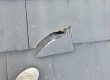
Over time, shingles can become loose or damaged, especially in windy conditions. Here’s how to repair them:
Materials You’ll Need: Replacement shingles, roofing nails, roofing adhesive, a pry bar, and a hammer.
Step-by-Step:
- Carefully lift the damaged shingle with the pry bar.
- Slide out the old shingle.
- Slide in the replacement shingle.
- Secure it in place with roofing nails.
- Seal the edges with roofing adhesive.
Safety Tip: Avoid walking on the roof as much as possible. Instead, use a roof ladder or work from a secure, well-supported section.
___
2. Fixing Minor Leaks
Small leaks can often be traced to damaged flashing, cracked vent boots, or a damaged section of roofing. Here’s how to fix minor leaks:
Materials You’ll Need: Roofing cement, a trowel, and roofing nails.
Step-by-Step:
- Locate the source of the leak. It’s often near roof penetrations like vents or chimneys.
- Apply roofing cement to the damaged area, spreading it generously.
- Press down firmly to seal the leak.
- Cover the area with roofing nails for extra reinforcement.
Safety Tip: Work carefully, especially around roof penetrations. If the damage is extensive or challenging to access, it’s time to contact a professional.
___
3. Replacing Damaged Flashing
Flashing is a critical component of your roof’s waterproofing system. Damaged flashing can lead to leaks. Here’s how to replace it:
Materials You’ll Need: Replacement flashing, roofing cement, a pry bar, and roofing nails.
Step-by-Step:
- Carefully remove the damaged flashing with a pry bar.
- Slide in the replacement flashing, ensuring it fits snugly.
- Secure it in place with roofing nails.
- Seal the edges with roofing cement for added protection.
Safety Tip: Use caution when working around roof openings.
___
4. Clearing Clogged Gutters and Downspouts
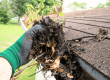
Clogged gutters can lead to water overflow and roof damage. Regular maintenance is essential:
Materials You’ll Need: Gloves, a ladder, a trowel or scoop, and a hose.
Step-by-Step:
- Put on gloves to protect your hands from debris.
- Set up a ladder securely near the gutters.
- Use a trowel or scoop to remove leaves, sticks, and debris from the gutters.
- Rinse the gutters and downspouts with a hose to clear any remaining residue.
Safety Tip: Be cautious when working on a ladder. Ensure it’s stable, and never lean too far to one side.
DIY Maintenance Beyond Repairs
Prevention is often the best cure when it comes to roof maintenance. In addition to repairs, here are some regular maintenance tasks you can tackle yourself:
- Regular Roof Inspections: Schedule annual inspections to spot issues early. Look for loose or missing shingles, damaged flashing, and signs of wear.
- Cleaning Debris: Regularly remove leaves, sticks, and debris from your roof. Clogged gutters and downspouts can lead to water damage.
- Trimming Overhanging Branches: If you have trees near your home, trim branches that could fall onto your roof during storms. Falling branches can cause physical damage to your roof.
- Moss and Algae Removal: In humid climates like Brisbane’s, moss and algae can grow on your roof. Regular cleaning with a moss killer can prevent damage.
- Termite Inspections: In South-East Queensland, termite activity is common. Schedule regular termite inspections to protect your roof’s structure.
- Roof Ventilation: Ensure your attic has proper ventilation to prevent heat buildup. Adequate ventilation can prolong the life of your roofing materials.
Knowing When to Call a Professional
While DIY roofing repairs can be rewarding, some situations require professional expertise. Here are signs that it’s time to consult experts:
- Severe Roof Leaks: If you have a persistent, large, or widespread roof leak, it’s time to call in the professionals. These leaks often indicate significant damage.
- Extensive Shingle Damage: If a large portion of your roof’s shingles is damaged or missing, professional repair or replacement is the best course of action.
- Structural Issues: If you notice sagging, bowing, or other structural problems with your roof, it’s a job for experts who can assess and address the root causes.
- Roof Replacement Needs: When your roof reaches the end of its lifespan, it’s best to invest in a full roof replacement, which should be done by professionals.
Safety, and the long-term health of your roof, should always be your primary concerns. If in doubt, it’s safer to seek professional assistance than to risk causing more significant problems.
Contact Us
DIY roofing repairs for small issues can be a satisfying way to maintain your home and save money. However, it’s crucial to balance the benefits of DIY with the limitations of your skills and the scope of the problem. Always prioritise safety, and when in doubt, consult professionals like Brisbane Bayside Roof Repairs and Restoration to ensure your roof’s long-term health.
Remember, whether you’re a DIY enthusiast or prefer to leave roofing matters to professionals, proactive tile roof maintenance is key to a healthy and long-lasting roof.
_____
If you’re unsure about a roofing issue or need professional assistance, don’t hesitate to contact Brisbane Bayside Roof Repairs and Restoration. Our team of experts is ready to help you with any roofing needs you may have, ensuring your home stays safe and dry. We also offer tile roof repair and tile and metal roof cleaning for single-storey homes with roofs up to 2.4 metres to the gutter line.
Frequently Asked Questions
What should I check before calling a roofer?
Record what you’ve noticed, when the problem first appeared and whether it changes during or after rainfall. Take photos of visible damage from the ground and note any ceiling stains, damp smells or water entering the home. This information can help the roofer understand the problem before inspecting the property.
Can I temporarily protect my home if the roof is leaking?
If water is entering the home, move belongings away from the affected area and collect dripping water where it is safe to do so. Avoid areas with sagging ceilings or possible electrical hazards, and don’t climb onto the roof to place a tarp during dangerous conditions. Contact a roofing professional to assess the damage and determine the safest next step.
Do I need to repair a roof problem if it only happens during heavy rain?
Yes, it should be investigated. A leak that appears only during heavy rain may still indicate a problem with the roof covering, flashing, drainage or another component. The fact that the leak stops when the weather clears doesn’t mean the underlying issue has resolved.
How can I tell whether a roof repair quote covers the work I need?
Ask the roofer to explain what they’ve identified, which repairs are included, what materials will be used and whether any additional work may be required if hidden damage is discovered. You can also ask whether the quote includes access equipment, waste removal and any applicable workmanship warranty or guarantee.