

Last Updated: November 2026
After a storm in Brisbane and South East Queensland, homeowners should check for signs of roof damage, look for leaks inside the property and arrange a professional roof inspection if anything appears damaged.
Strong winds, hail, heavy rain and falling branches can crack or dislodge roof tiles, damage flashing and allow water to enter the roof cavity. Knowing what to do after a storm can help prevent further damage and make it easier to organise the necessary repairs.
Let’s delve into the best practices, recommended by your local experts at Bayside Roof Restorations and Repairs, which homeowners should follow after a storm. Today we’ll guide you to safely assess potential roof damage and make the right decisions for getting things fixed.
How can I inspect my roof after a storm? Six clear steps.
A violent storm can leave a lasting impact on your home, and one of the most vulnerable parts during these intense events is your roof. Heavy rain, fierce winds, hail, and falling debris are just a few elements that can cause significant damage to your roof’s structure and materials.
The aftermath of a storm isn’t solely about repairing damage; it’s about safeguarding your home by taking the right steps. This process is essential for maintaining the long-term health of your home.
1. How do you stay safe when inspecting your roof?
When a storm has passed, ensuring your safety is the primary concern. Before embarking on any inspection, assess the surroundings and ensure the environment is secure.
Avoid areas with loose or hanging power lines, as they may pose a significant risk. Additionally, steer clear of unstable structures or sections of the roof that may collapse, especially if water has weakened any parts of the house.
It’s crucial to exercise caution in areas that may be slippery due to water or debris. Always wear appropriate footwear and, if possible, use safety equipment like a harness if you’re inspecting the roof directly.
Here’s our safety checklist:
-
Never climb onto wet, slippery or storm-damaged roof tiles.
-
Stay away from fallen power lines and report electrical hazards to the appropriate authorities.
-
Avoid areas where trees, branches or other structures appear unstable.
-
Look for visible damage from the ground using binoculars if needed.
-
Check inside the home for signs of water entry, provided the area is safe to access.
-
Leave close inspections and roof access to appropriately equipped roofing professionals.
Never compromise safety when evaluating potential damage. If in even the slightest doubt, call on professional tile roofing restoration companies.
2. What should you cover during your external inspection of the roof?
When conducting an external inspection of your roof after a storm, it’s crucial to look for specific signs of damage. Here’s a checklist of what to consider:
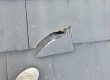
- Visible Damage: Start by examining your roof from ground level. Look for missing or damaged shingles, dents, or cracks. Pay attention to areas where shingles might be torn or where granules have been dislodged.
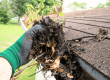
- Gutter Check: Inspect gutters for any granules or pieces of shingles that might have been washed down during the storm. This could be an indication of roof damage.
- Flashing and Seals: Check for loose or damaged flashing around chimneys, vents, and skylights. Damaged seals could potentially lead to leaks.
A methodical inspection is essential. While a ground-level assessment can reveal visible damage, consider using binoculars to inspect the roof more closely without risking personal safety.
If you notice any concerning signs, seek professional assistance for a more detailed inspection.
3. What interior inspection can you do to look for storm damage?
An interior inspection after a storm is equally important to ensure that no potential damage has gone unnoticed. There are three main parts to the interior inspection:
- Attic: Begin in the attic and search for signs of leaks or water stains. These stains often indicate water infiltration from a damaged roof. Look for damp spots or signs of water running down walls or through the ceiling.
- Ceiling and Walls: Inspect the ceilings and walls of your home for water stains, discolouration, or peeling paint. These visual cues can point to potential roof damage.
- Mould and Mildew: Keep an eye out for signs of mould or mildew growth, which can result from water intrusion. Musty odours are also indicators of potential water damage.
By inspecting the interior of your home, you can catch signs of damage that might not be immediately visible from the exterior. Remember that water can travel along roof structures before becoming visible inside the home. This means the location of a ceiling stain doesn’t necessarily identify the exact point where water is entering the roof.
You can also protect your belongings by moving them away from leaks. The priority is to keep everyone safe, limit further damage and arrange an appropriate professional assessment.
4. How should you document storm roof damage and keep records for insurance?
After assessing your roof for potential storm damage, it’s crucial to document any observed issues. By taking photographs or videos of the damage, you create a visual record that can aid in insurance claims and help roofing professionals assess the severity of the damage. Ensure your documentation captures various angles and zooms in on specific areas of concern.
Use this checklist:
-
Photograph visible damage from safe positions around the property.
-
Take pictures of fallen branches, damaged gutters and displaced tiles where visible.
-
Photograph internal water stains, damaged ceilings and affected belongings.
-
Record the date of the storm and when the damage was first noticed.
-
Keep copies of any temporary repair invoices or emergency service records.
-
Make notes about leaks, dripping water or other problems that develop after the storm.
-
Keep copies of communications with the insurer and roofing contractor.
Where possible, take photos and write down notes ASAP after the storm has occurred, and contact a tile roofing repair company like Brisbane Bayside Roof Restorations for assistance promptly.
5. When do you call roof professionals after a storm?
If you identify any signs of damage or have concerns about your roof’s integrity following a storm, contact a professional roofing company as soon as possible.
Get in touch with us if:
-
You can see cracked, broken or missing roof tiles.
-
Water is entering the roof cavity or living areas.
-
You notice new ceiling stains or damp patches following rainfall.
-
Ridge capping, pointing or flashing appears damaged.
-
A tree branch or other debris has struck the roof.
-
Gutters or downpipes have been damaged.
-
You suspect damage but cannot identify its source.
A professional inspection can offer a more comprehensive assessment of potential damage and the necessary repairs. Experienced roofers have the expertise to identify even subtle signs of damage that homeowners might overlook.
Contact Brisbane Bayside Roof Repairs and Restoration for Tile Roof Repairs or similar reputable companies. We can provide a detailed evaluation and recommend appropriate repairs or maintenance. If you live elsewhere, we may be able to help you find the best company for your issue.
6. What are the steps for talking to your insurance about roof damage?
Once you’ve documented the damage and received an inspection from a professional roofer, it’s time to contact your insurance provider. Notify your insurance company about the storm-related damage to your roof, and share the documented evidence and the assessment report from the roofing professional. They may send out their own inspector to confirm the damage.
The insurance provider will guide you on the next steps for filing a claim. Remember to take note of the date and time of the storm, the observed damage, and any communication with your insurance company, as this information is crucial for the claims process.
What’s the Difference Between Temporary and Permanent Roof Repairs?
Sometimes, temporary measures can be put in place to reduce further damage while a proper inspection and repair are organised. Temporary protection doesn’t typically fix the underlying problem. A professional inspection is needed to determine what permanent work is appropriate.
Temporary protection may include:
-
Professional installation of temporary waterproof coverings.
-
Temporary protection of exposed sections of the roof.
-
Arranging safe water diversion where appropriate.
-
Protecting internal areas and belongings from further water entry.
Permanent repairs may involve:
-
Replacing cracked or missing tiles.
-
Repairing ridge capping and pointing.
-
Fixing damaged flashing.
-
Repairing affected roof junctions.
- Addressing damaged gutters or drainage components.
How important is prompt action after a damaging storm?
Taking immediate action after a storm to assess potential roof damage is pivotal for maintaining the structural integrity of your home. Prompt action significantly reduces the risk of additional damage and can save homeowners from costly repairs in the long run.
By conducting a thorough inspection, documenting damage, seeking professional inspection, and contacting the insurance provider promptly, homeowners can efficiently address any issues arising from storm damage. Acting swiftly allows for a faster resolution, protecting the home and preserving its value.
Our Team Can Help
Assessing roof damage after a storm is a vital responsibility for homeowners in safeguarding their homes against potential risks.
Understanding the various forms of storm damage, ensuring safety during inspections, and documenting observed damage are essential steps in the process.
Through a systematic approach and swift action, homeowners can ensure their homes remain safe and secure, even after severe weather events.
If you suspect damage or need a professional inspection, reach out to Brisbane Bayside Roof Repairs and Restoration for a detailed assessment. We also offer tile and metal roof cleaning for single-storey homes with roofs up to 2.4 metres to the gutter line.
Frequently Asked Questions
Can a roof leak after a storm even if no tiles are missing?
Yes. A roof can develop leaks even when all the tiles appear to be in place. Cracked tiles, damaged flashing, deteriorated pointing and existing weaknesses around roof junctions can allow water to enter during heavy rainfall. A professional inspection can help identify the source.
Should I contact my roofer or insurance company first after storm damage?
If your property has sustained storm damage, contact your insurer promptly to report the incident and ask about its claims process. You can also arrange for a roofing professional to assess the roof and provide information about the damage and necessary repairs. Follow your insurer’s instructions about inspections, reports and emergency work.
Can storm damage cause roof problems weeks after the weather event?
Yes. Some damage may not become obvious immediately. Small cracks, displaced tiles or damage around flashing can allow water to enter during later rainfall. This is why it’s important to arrange an inspection if you suspect storm damage, even if you haven’t noticed an immediate leak.
Does every storm-damaged tile roof need a full restoration?
No. The work required depends on the roof’s overall condition and the extent of the damage. Some roofs may only need individual tiles replaced or minor repairs to ridge capping and flashing. More extensive work may be recommended if the roof has widespread deterioration or multiple damaged areas.