
Last Updated: November 2026
Tile roof restoration is often a suitable option for Brisbane homeowners whose roofs have ageing coatings, damaged tiles or deteriorating ridge capping but are still structurally sound.
However, when damage is widespread, the roof structure has deteriorated or repeated repairs are no longer practical, a full roof replacement may be the better long-term solution. Understanding the condition of your existing roof is the first step in deciding which option makes the most sense.
Quick Answer: Should I restore or replace my tile roof?
- A tile roof restoration is generally suitable when the roof structure remains sound and most problems involve repairable tiles, deteriorating ridge capping, worn coatings or surface deterioration.
- Replacement may be necessary when damage is extensive, the roof structure has significant problems, or the existing roofing system can no longer be reliably repaired.
- The right decision depends on the condition of the entire roofing system, not simply its age or appearance.
- A professional roof inspection can identify which components need attention and whether restoration is likely to provide a suitable long-term result.
What’s the Difference Between Tile Roof Restoration and Replacement?
Your roof is a critical element in maintaining the integrity and safety of your home. With time and exposure to various elements, roofs can deteriorate, leading homeowners to consider options for their repair or renovation. The decision between tile roof restoration and replacement is a significant one, carrying various implications for the overall health and longevity of your property.
Understanding the nuances of each approach is vital in making the most appropriate choice. In short:
-
Roof repairs: Address specific problems, such as replacing broken tiles, fixing a leak or repairing damaged ridge capping.
-
Roof restoration: Involves a more comprehensive process of cleaning, repairing and treating the existing roof, which may include rebedding, repointing, sealing and applying protective coatings.
-
Roof replacement: Involves removing the existing roofing materials and installing a new roofing system.
What is Tile Roof Restoration?
Tile Roof Restoration involves a series of processes aimed at breathing new life into an aging or worn roof. Typically, this method encompasses repairs to address minor damages, cleaning to remove debris and mould, and re-coating to restore the roof’s protective layer.
What are the Benefits of Tile Roof Restoration?
- Cost-Effectiveness: Generally, restoration costs less than complete replacement.
- Preserves Existing Structure: It extends the life of the existing roof, minimising waste.
- Enhances Appearance: Restoration can rejuvenate the roof’s look and improve the property’s aesthetics.
What are the Disadvantages of Tile Roof Restoration?
- Limited Application: Restoration is effective for roofs with minor damages or aging issues but might not address severe damage or structural issues.
What is Tile Roof Replacement?
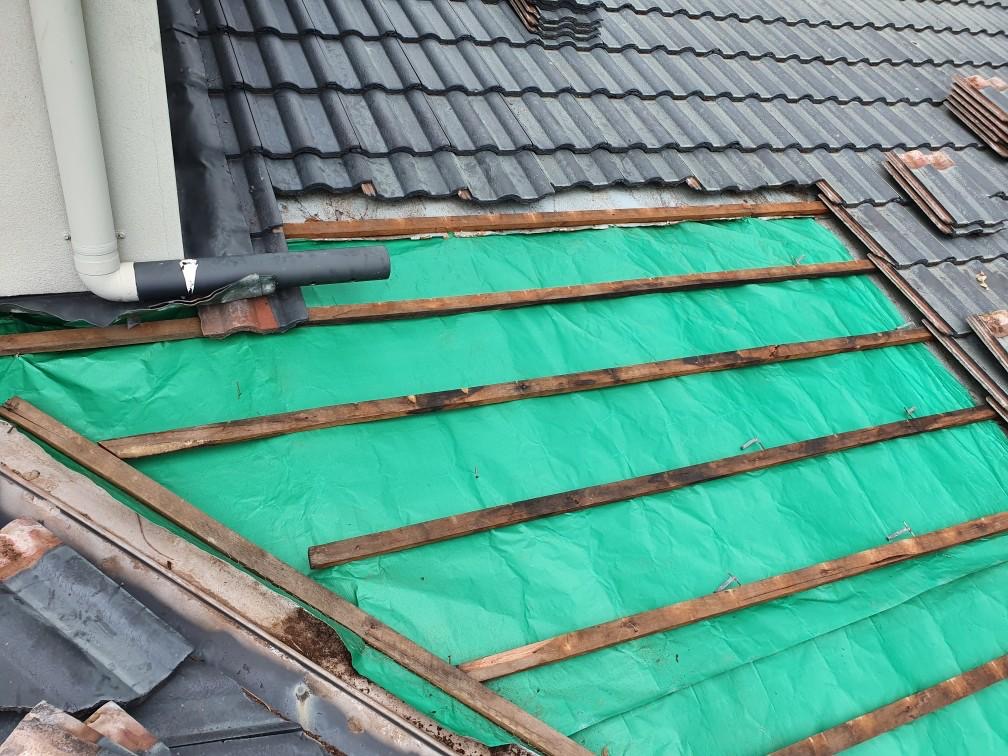
Tile roof replacement is a comprehensive approach involving the complete removal of the existing roof and the installation of a new roofing system. It’s usually only necessary if there is extensive deterioration and damage, significant problems with the underlying roof structure, and ongoing issues that aren’t being resolved by targeted repairs.
What are the Benefits of Tile Roof Replacement?
- New and Updated Materials: Replacement provides a brand-new roofing system with the latest materials.
- Long-Term Solution: It offers a more durable and longer-term solution for severely damaged or aged roofs.
- Enhanced Property Value: Replacement can significantly increase the value of the property.
What are the Disadvantages of Tile Roof Replacement?
- Higher Cost: Replacement generally involves a higher initial cost compared to restoration.
- Environmental Impact: It generates more waste due to the removal of the existing roof.
How Do Costs Differ Between Restoration and Replacement?
Generally, restoration tends to be more cost-effective as it involves fewer materials and less labour. The expenses associated with tile roof restoration are influenced by the extent of repairs and the quality of materials used. On the other hand, replacement involves a higher initial cost due to more labour, time, and materials needed for a full-scale renovation.
Factors that influence the final price include:
-
Roof size: Larger roofs require more materials, labour and time.
-
Roof pitch and accessibility: Steeper or difficult-to-access roofs may require additional safety measures and equipment.
-
Extent of damage: The number of broken tiles, condition of ridge capping and amount of repair work all affect the restoration cost.
-
Roof structure: Significant structural problems can increase the scope of work or make replacement necessary.
-
Materials and finishes: Coatings, replacement tiles and other materials can affect the overall cost.
-
Removal and disposal: Replacement involves additional work to remove and dispose of the existing roofing materials.
Considerations for Brisbane Homes Impacting Tile Roof Restoration or Replacement
Brisbane, known for its subtropical climate, experiences unique weather conditions that can significantly impact the condition of residential roofs. Several factors specific to this region should be taken into account when deciding between roof restoration or replacement.
1. High Humidity and Rainfall:
Brisbane’s climate is characterised by high humidity levels and substantial rainfall, particularly during the summer months. This persistent moisture can lead to issues such as mould, mildew, and rot, which might affect the structural integrity of roofs over time. For older roofs or those prone to moisture-related problems, restoration might not provide a lasting solution. In such cases, replacement could be more effective in ensuring a structurally sound and moisture-resistant roofing system.
2. Intense Sun Exposure:
Brisbane receives abundant sunshine throughout the year, leading to prolonged exposure to UV rays. Over time, this exposure can cause deterioration of roofing materials, leading to discolouration, warping, and reduced effectiveness. If the roof materials have undergone extensive sun damage, restoration might only provide a temporary fix. Replacement with modern UV-resistant materials could be a more sustainable long-term solution to combat sun-induced degradation.
3. Storms and Hail Damage:
Brisbane is susceptible to severe storms and occasional hail, which can cause significant damage to roofs. If the roof has undergone severe damage due to hail or storms, especially if it’s affecting the structural integrity, restoration might not be sufficient. Replacement might offer a more reliable solution, ensuring the roof can withstand future extreme weather events.
4. Energy Efficiency Considerations:
Given the region’s warm climate, homeowners in Brisbane often seek energy-efficient solutions to keep their homes cooler. Replacement with energy-efficient materials, such as those reflecting heat, might provide added benefits in terms of reduced energy costs and a more comfortable indoor environment. Restoration might not always offer the same level of energy efficiency improvements.
5. Building Regulations and Insulation Standards:
Brisbane’s building regulations and insulation standards evolve over time, often recommending or mandating certain roofing materials or insulation levels. When considering restoration or replacement, ensuring the roof complies with current standards for insulation and structural integrity is crucial. Replacement might be necessary to meet the updated standards and ensure compliance with local regulations.
If you’re a Brisbane based homeowner looking for the next steps for your roof, don’t hesitate to contact our experts at Bayside Roof Repairs.
Questions to ask before choosing roof restoration or replacement:
-
Is the roof structure still sound?
-
How many tiles need replacing?
-
Are the ridge caps and pointing in good condition?
-
Are there signs of recurring leaks?
-
Has the roof been restored previously?
-
What repairs are needed before restoration can begin?
-
Would restoration address the underlying problems?
-
What is included in the replacement or restoration quote?
-
What warranties are provided for the work and materials?
Which Main Factors Influence the Decision?
- The age of the roof is a crucial factor; for relatively newer roofs with minor damages, restoration might be the more feasible option.
- Conversely, for older roofs with extensive damages or reaching the end of their lifespan, replacement could be the more practical solution.
- The extent of damage, budget constraints, future plans for the property, and considerations for improved energy efficiency are other significant factors.
The decision between tile roof restoration and replacement is a critical one for homeowners, with several key factors to consider. Assessing the condition of the roof, evaluating long-term goals for the property, and examining the financial aspects will lead to an informed decision. Seeking guidance and advice from roofing professionals is highly recommended to make the best choice for your specific circumstances.
Ultimately, choosing between restoration and replacement should be a well-informed decision that aligns with the needs, goals, and budget of the homeowner.
If you would like a professional to help you make the decision, call Bayside Roof Repairs today. We also offer tile roof repair and tile and metal roof cleaning for single-storey homes with roofs up to 2.4 metres to the gutter line.
Frequently Asked Questions
Does an old tile roof always need to be replaced?
No. An older tile roof does not automatically need replacing. If the tiles remain serviceable and the underlying structure is sound, restoration may be a suitable way to address deterioration and extend the roof’s useful life. A professional inspection can help determine whether the existing roof is still suitable for restoration.
Is it worth restoring a roof that has already been restored?
It depends on the condition of the existing tiles, coatings and roof structure. A previously restored roof may be suitable for further work if the underlying materials remain in good condition. However, repeated coating or repair work will not resolve significant structural problems or severely deteriorated roofing materials.
Can you replace only part of a tiled roof?
Depending on the roof design, damage and availability of compatible materials, it may be possible to replace individual tiles or repair a particular section rather than replacing the entire roof. A roofing professional can assess whether localised repairs are practical or whether more extensive work is needed.
Should I restore or replace my roof before selling my home?
The best option depends on the roof’s condition and the improvements needed before selling. Restoration may improve the appearance of a roof that is still structurally sound, while replacement may be more appropriate if there are extensive underlying problems. It is worth obtaining an assessment before committing to either option.