
Last Updated: November 2026
Brisbane’s weather can affect your roof in several ways, from intense summer sun and humidity to heavy rainfall, hail and strong winds.
Over time, these conditions can contribute to cracked roof tiles, deteriorating pointing, moisture problems and other forms of wear. Understanding how different weather conditions affect your roof can help you recognise early warning signs, arrange timely repairs and protect your home from avoidable damage.
How Does Weather Affect Your Roof?
-
Heavy rain: Can expose existing weaknesses, cause leaks and contribute to moisture damage.
-
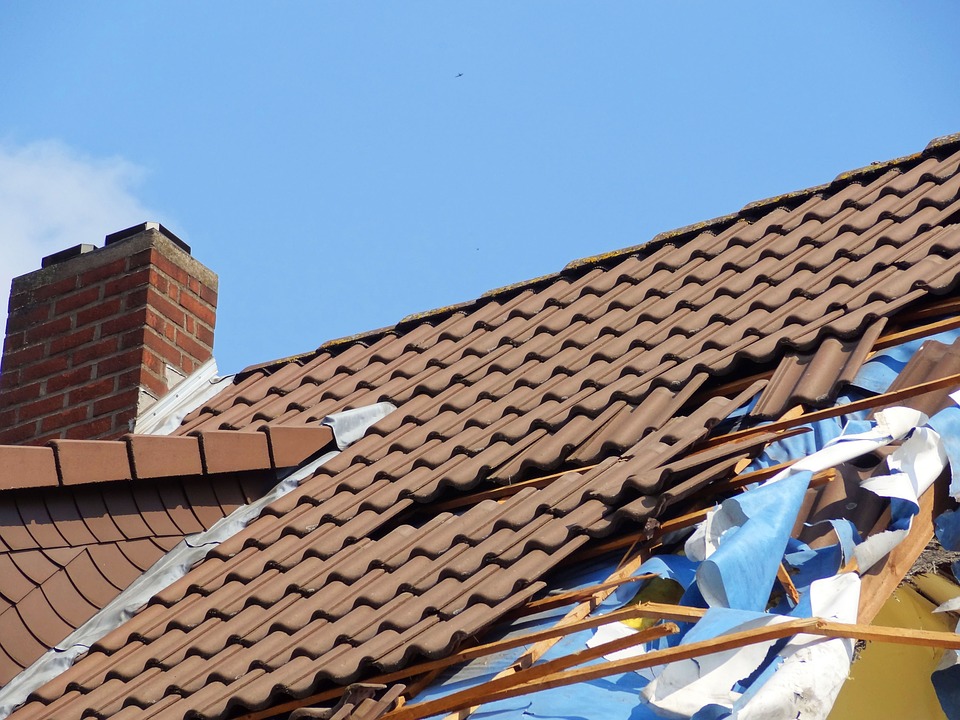
Strong winds: Can lift or dislodge roof tiles, damage ridge capping and move surrounding debris onto the roof.
-
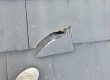
Hail: Can crack tiles and damage exposed roofing components.
-
Intense sunlight and UV exposure: Can contribute to the gradual deterioration of coatings, sealants and other roofing materials.
-
Humidity: Encourages moss, algae and mould growth, particularly on areas that remain damp.
-
Temperature changes: Cause roofing materials to expand and contract, placing ongoing stress on some materials and connections.
How Does Brisbane Weather Impact Roofs?
Picture a typical rainy evening – you’re safe and dry inside your home, listening to the soothing sound of raindrops. While the rain can be comforting, have you ever wondered about the less inviting side of this scenario? Brisbane Bayside Roof Restoration and Repairs is all to familiar with the dark side of rain.
Your roof, often taken for granted, plays a vital role in shielding you from the elements.
Understanding how various weather conditions, from rain to wind, snow, and extreme temperatures, affect your roof’s integrity is essential for homeowners.
In this comprehensive guide, we explore the impact of weather on your roof and how to prevent potential damage.
The Role of Your Roof
Your roof is more than just an architectural feature; it’s a protective shield for your home. It guards against rain, snow, hail, wind, and the blistering heat of the sun.
The integrity of your roof is not solely a matter of aesthetic appeal but a fundamental component of your home’s structural soundness.
While most homeowners focus on interior design and functionality, the roof is often overlooked. Yet, understanding how it functions and the perils it faces daily can help you maintain your home more effectively.
What Problems Do Rain and Moisture Cause to Roofs?
In Brisbane’s summer months, the weather can take a very wet turn, with intense rain and storms that can lead to flooding. When water infiltrates your home through a damaged roof, it can lead to serious issues like:
1. Roof Leaks and Water Damage
Rainwater infiltration can cause roof leaks, leading to water damage in your home. Water stains on ceilings and walls are early indicators of roof leaks. These stains, often with a brownish or yellowish hue, signify moisture seeping through the roof and damaging your interior. When you see the early signs, seek the help of professionals as soon as possible before your home and belongings are seriously damaged.
2. Growth of Algae, Mould, and Moss
Excessive moisture from rain provides the ideal breeding ground for unsightly and potentially harmful growths like algae, mould, and moss. These can spread across your roof, affecting its appearance and long-term durability. Mould can also have a negative effect on the human body, and it can be very dangerous if it spreads in the home.
3. Erosion of Roofing Materials
Consistent exposure to heavy rain can erode roofing materials over time, particularly in regions with high annual rainfall. Shingles and other roofing materials may become less effective, leading to reduced protection and a shorter roof lifespan. Make sure to keep an eye on erosion so you can keep your roof maintained.
How Can Homeowners Prevent Water-Related Damage?
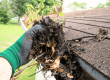
To maintain a watertight roof, conduct regular roof inspections. Look for signs of damaged or missing shingles, cracks in the flashing, and any other issues that may allow water infiltration. Clear gutters and downspouts to ensure proper drainage, and address any issues promptly to prevent further damage.
How Can Strong Winds Damage a Tile Roof?
Strong winds are a formidable adversary for your roof. In Brisbane, we know how badly the heavy winds of a summer storm can ravage a neighbourhood, leading to fallen branches and powerlines. Wind can lead to several types of damage to your roof:
1. Shingle Damage and Detachment
High winds can cause shingles to become damaged or even dislodged. When shingles are damaged or missing, your roof’s ability to protect your home is compromised. Make sure to get them fixed promptly.
2. Lifting or Dislodging of Roof Materials
In extreme cases, wind can lift or dislodge entire sections of your roof, creating a major structural hazard. This kind of damage can also allow water to penetrate your home. Call a roofing company immediately for assistance before serious damage is done to your home and belongings.
3. Structural Damage During Severe Storms
During severe storms with strong winds, the structural elements of your roof can be damaged. This can result in weakened structural integrity, putting your home at risk.
Reinforcing Roofs Against High Winds
To fortify your roof against high winds, the best solution is regular professional maintanence. Roof inspections are crucial for detecting and addressing any loose or damaged shingles, and professionals can ensure repairs are done properly to prevent further damage. Consult with roofing professionals like Bayside Roof Restorations, who can advise you on wind-resistant roofing solutions.
Do Heat Extremes Impact Roofs in Brisbane?
In Brisbane, we get very severe heat, and although our roofs do a great job of insulating us from the sun, they’re taking a lot of damage.
Intense heat can cause shingles to deteriorate more rapidly. The sun’s ultraviolet (UV) rays and prolonged exposure to high temperatures can lead to shingle deformation, resulting in reduced protection. Always keep an eye on your roof to look out for deterioration.
Protecting Your Roof From Temperature-Related Damage
Proper insulation is crucial in regions with extreme temperatures. Adequate attic insulation helps regulate the temperature of your roof, protecting it from excessive heat or even cold. Regular maintenance and roof inspections are essential to address issues related to temperature changes.
How Can You Protect Your Roof From Weather-Related Damage?
As a homeowner, you can take proactive steps to protect your roof from weather-related damage:
-
Arrange regular roof inspections: Have the condition of tiles, ridge capping, flashing and other components assessed.
-
Keep gutters and downpipes clear: Ensure rainwater can drain away properly.
-
Address damaged tiles promptly: Replace cracked or displaced tiles before water enters the roof.
-
Maintain ridge pointing: Have deteriorating pointing assessed and repaired where necessary.
-
Manage surrounding trees: Remove unsafe overhanging branches through an appropriately qualified professional.
-
Address organic growth: Arrange suitable roof cleaning where algae, moss or debris has accumulated.
-
Consider the roof’s overall condition: Older roofs may require more attention as materials and components deteriorate over time.
- Consult with Professionals: Don’t hesitate to consult roofing professionals like Bayside Roof Repairs for expert guidance in addressing weather-related roof issues.
Your roof’s integrity is constantly challenged by a variety of weather conditions. Rain, wind, and extreme temperatures can all impact your roof, potentially leading to damage. By understanding these effects and taking proactive measures, you can protect your home and extend the lifespan of your roof.
If you’re concerned about the impact of weather on your roof or need professional assistance with tile roof inspections, maintenance, or repairs, reach out to Bayside Roof Restoration. Our team of experts is well-equipped to guide you through the process and help safeguard your roof against weather-related issues.
Remember, your roof is not just a covering; it’s your home’s first line of defence against the elements. Maintaining it is crucial to ensure the long-term well-being of your home.
Frequently Asked Questions
Does heavy rain damage a healthy roof?
A properly maintained roof should be able to manage normal rainfall. However, prolonged or intense rain can expose existing weaknesses, such as cracked tiles, deteriorated pointing, damaged flashing or blocked drainage. If water enters the home during heavy rainfall, a professional inspection can help identify the cause.
Why does my roof develop moss and algae?
Moss and algae grow in conditions where moisture is available, particularly on shaded roof surfaces that remain damp. Brisbane’s humidity and rainfall can encourage this growth on tiled roofs. Regular maintenance and suitable roof cleaning can help manage excessive organic growth.
Does salt air affect tiled roofs in Brisbane Bayside?
Salt-laden air can contribute to corrosion of exposed metal components, including some roof fixtures and flashing. The level of exposure varies depending on how close a property is to the coast and the materials used. Regular inspections can help identify early signs of deterioration.
How often should a roof be inspected for weather damage?
The appropriate inspection frequency depends on the roof’s age, condition, surrounding environment and exposure to severe weather. Regular professional inspections can help identify developing problems, while additional checks may be worthwhile after significant storms, hail or other severe weather events.