
Last Updated: June 2026
Roof cleaning is an important part of home maintenance – and no one knows this better than Bayside Roof Restorations – but it comes with serious safety risks.
One wrong step on a slick surface can lead to a dangerous fall, so it’s very important to take proper precautions before tackling the job. Brisbane’s humid climate, frequent storms, and occasional algae or moss growth can make roofs even more hazardous, increasing the likelihood of slipping if you don’t clean carefully.
Whether you’re handling a basic wash or a deep clean, knowing how to prevent slip hazards can keep you safe. Our blog today will walk you through the best techniques, equipment, and safety measures to follow when cleaning a metal or tile roof.
What are the Risks of Roof Cleaning?
- Metal roofs become incredibly slippery when wet, while tile roofs can develop moss and algae that create a slimy surface underfoot.
- Even a mild roof pitch can make balance difficult, and if a section of roofing is loose or weakened, it can collapse under pressure.
- Falling from a roof, even on a single-storey home, can result in serious injuries – so taking safety measures is a necessity.
- The height of your roof, the condition of the tiles or metal sheeting, and the cleaning method you use will all impact the level of risk involved.
- Knowing what to expect before you begin will help you choose the safest approach.
- Never climb onto the roof or attempt DIY cleaning or repairs if you have any uncertainties – call experts like Bayside.
Can You Clean Your Own Tile or Metal Roof Safely in Brisbane?
What’s the Right Footwear for Roof Safety?
The shoes you wear when roof cleaning can make all the difference. If your roof is particularly steep or in poor condition, consider investing in professional-grade roofing shoes or using additional safety equipment. Remember that roofs can be very slippery, especially when you consider the wet, humid environment of subtropical Queensland.
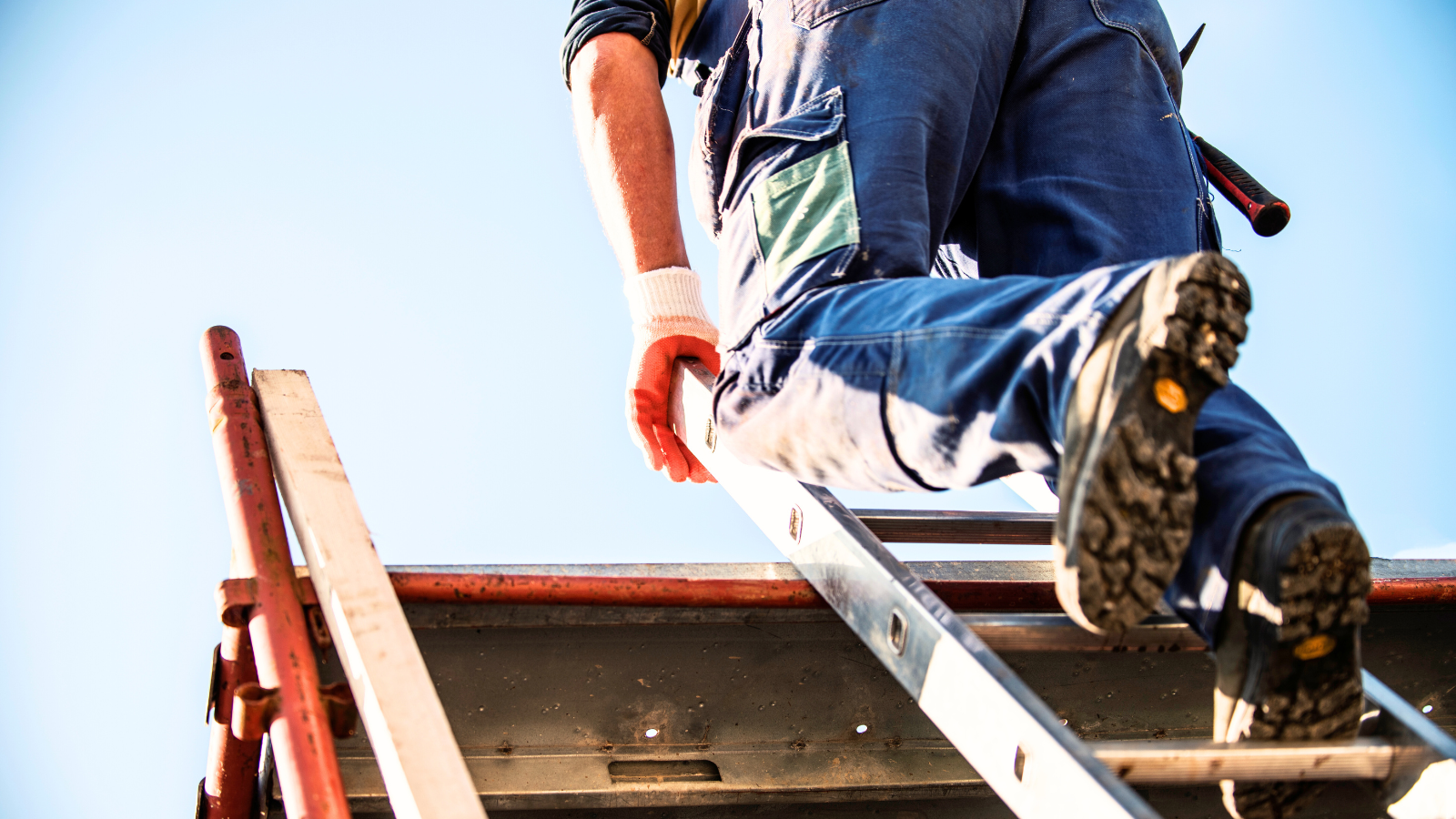
- Opt for non-slip soles – Shoes with rubber soles designed for grip (such as work boots or roofing shoes) are ideal.
- Avoid smooth-bottomed shoes – Sneakers and dress shoes provide little traction and can increase the risk of slipping.
- Look for lightweight, flexible options – Bulky boots may feel stable but can make movement more difficult.
- Ensure a secure fit – Loose-fitting shoes can cause missteps and reduce control when walking on sloped surfaces.
What’s the Proper Safety Equipment for Roof Cleaning?
Even with the best footwear, roof work is still risky. Safety equipment helps minimise the danger and provides extra stability while working at heights.
- Harness and safety ropes – A roofing harness connected to a secure anchor point gives you fall protection.
- Roof brackets and walk boards – These create stable standing platforms, particularly important on steep or slippery surfaces.
- Ladder stabilisers – A stable ladder is needed for safe access to the roof, reducing the risk of slipping at entry points.
- Gloves with grip – Slippery hands can cause accidents when handling equipment or navigating the roof.
Using professional safety gear can be a lifesaver.
When’s the Best Time to Clean Your Roof?
Timing matters when it comes to safe roof cleaning. The weather conditions you choose can either help or hinder your efforts. Wet or rainy conditions should always be avoided, as they make metal and tile roofs incredibly slick. Humidity can also encourage moss growth, which can be harder to clean when damp. Windy conditions add another layer of danger, particularly if you’re working with hoses or large equipment that can be difficult to control.
The best time to clean your roof is on a dry, overcast day with little to no wind. Aim for early morning or late afternoon when temperatures are lower. This will also help prevent dehydration and overheating, especially if you’re working on a metal roof that can retain heat or working during a Brisbane summer.
What are the Top Safe Cleaning Techniques for Metal and Tile Roofs?
For Metal Roofs:
- Work from the highest point down to prevent stepping on wet, slippery areas.
- Use a harness and safety rope, as metal roofs become extremely slick when wet.
- Avoid walking on wet sections: clean and dry as you go if possible.
- Apply a gentle cleaning solution rather than high-pressure water to avoid removing protective coatings.
For Tile Roofs:
- Step only on the lower portion of tiles to prevent breakage and instability.
- Remove moss and algae before wetting the roof, as they can become slimy when damp.
- Use a soft-bristle brush rather than abrasive tools that could damage the tiles.
- Keep movements slow and controlled to maintain balance.
Taking your time and using deliberate movements can prevent unnecessary risks.
How Do You Stay Stable While Working on a Roof?
Even with the right footwear and equipment, how you move on the roof will play a big role in your safety. Keeping your weight evenly distributed is important because sudden shifts in balance can cause unexpected slips. Use your hands for extra support by holding onto stable parts of the roof or any safety railing in place.
Take small, deliberate steps and avoid overreaching. If you can’t comfortably reach an area, reposition yourself rather than stretching too far. Overreaching throws off your centre of gravity and can make it harder to maintain balance. If possible, have someone on the ground to assist by handing up tools or adjusting safety lines as needed.
When Should You Call a Professional Roof Cleaner?
Sometimes, the safest option is to leave roof cleaning to the professionals. If your roof is particularly steep, covered in stubborn moss, or in poor condition, it may not be worth the risk to handle it yourself. Professional roof cleaners have the right equipment, experience, and knowledge to clean efficiently while ensuring safety. Hiring a professional also allows for an inspection of your roof while it’s being cleaned. If there are any damaged tiles, rust spots, or weak sections, a professional can identify them early and recommend necessary repairs before they become bigger problems.
Call Bayside Roof Repairs and Restorations Now
Roof cleaning is an essential part of home maintenance, but safety should always be the top priority. Brisbane’s climate can make roof surfaces particularly hazardous, so taking precautions – like wearing the right shoes, using proper safety gear, and working in the right weather conditions – can be live-saving.
If your roof needs cleaning but you’re unsure about the risks, reach out to a professional for help.
At Bayside Roof Repairs and Restorations, we specialise in tile roof restoration. We also offer roof cleaning services for single-storey South-East Queensland homes up to 2.4 metres to the gutter line. Keep your home in top condition without the risk of injury.
We’d love to help you keep your roof in tip-top shape. We also offer tile roof insurance work, tile roof painting and metal roof painting, with information on roof painting cost, roof maintenance, tile roof repair, and info on tile roof restoration costs for roofs that need extra TLC to keep your home, family and belongings safe. On the commercial side, we offer commercial roof restoration and commercial roof painting.
Want to know more about how we can make your roof the envy of the neighbourhood?
Get in touch today for a safe and effective clean!
Frequently Asked Questions
How often do I need to clean my own roof in South-East Queensland?
Cleaning your roof every 12 to 24 months is standard for suburban homes. However, coastal properties and heavily shaded or treed areas require a shorter interval of every 6 to 12 months, as they’re more susceptible to salt spray, humidity, and mould.
Can I run into insurance problems if I do my own roof cleans and fixes, rather than hiring a professional?
Yes. In Australia, insurers will reject claims for water damage or structural issues if they determine the damage was caused by poor DIY workmanship, improper maintenance, or unlicensed trade work.
How can I teach my kids about roof maintenance safety?
Start by modelling safe ground-level inspections and securing all ladders and rooftop hatches with locks. For older kids, teach the 1-to-4 ladder rule, three-point contact, and how to spot electrical hazards.
Can professionals complete a roof assessment while cleaning, to let me know if there’s any damage that needs fixing?
Yes, most professionals, like us at Bayside, routinely inspect roofs for damage while cleaning. Because clearing away moss, lichen, and debris exposes the true condition of the materials, we will perform an assessment and can quote any required fixes.