
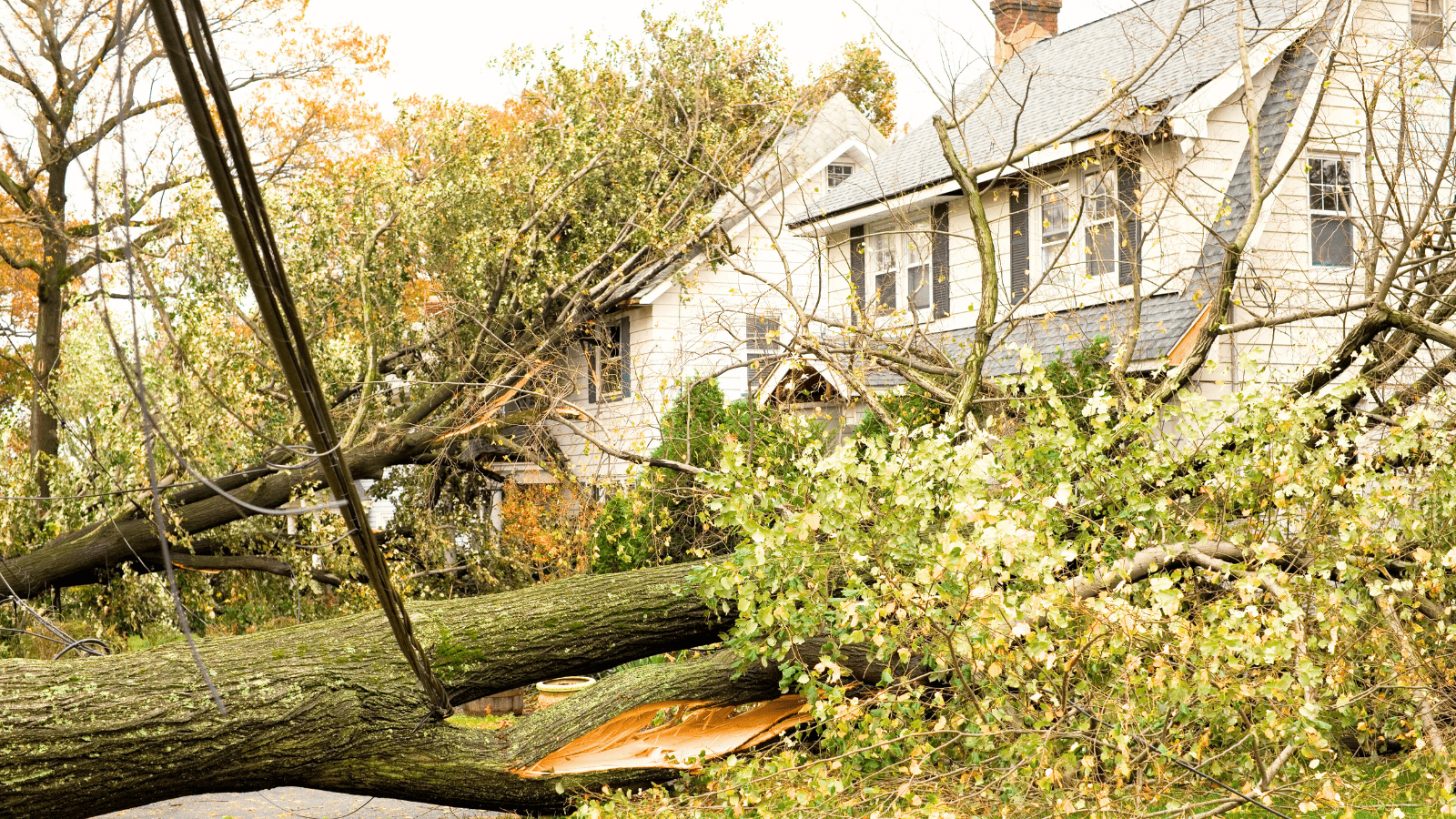
Tile roofs look great and are pretty tough, but they’re not invincible. Strong winds can lift and move tiles, hail can crack and break them, and heavy rain can sneak through any existing cracks, causing leaks. In Queensland, where storms and cyclones are pretty common, it’s important to know how these elements can affect your roof.
What happens when a tile roof is damaged by a storm?
- You are likely to feel nervous when this happens, but rest assured that with the proper steps, severe damage or injury is unlikely.
- Today, we’ll run you through conducting thorough inspections, documenting damage, making temporary repairs, and working with professionals.
- This way, you can ensure your tile roof is restored quickly and efficiently.
- Remember, prompt action is key to preventing further damage and protecting your home.
- For any queries, please contact us at Bayside so we can make sure you’re prepared.
How Do You Handle Tile Roof Damage After Severe Weather? A Step-by-Step Guide
If you’ve got a tile roof, it’s important to know what steps to take right after a storm to protect your home and keep everything safe. At Bayside Roof Repairs and Restorations, we specialise in fixing roofs after storm damage, including working with your insurance company to make sure your home is looked after.
Here’s a handy guide to help you handle emergency tile roof restoration after a big storm hits.
1. Immediate Safety Precautions
Safety first! After a big storm, make sure it’s safe to go outside before you start checking your roof.
- Check for Downed Power Lines and Hazards: Look around your property for any downed power lines, fallen trees, or other hazards. Stay away from these areas and contact local authorities if necessary.
- Avoid Climbing onto the Roof: Until you can have a professional inspection, avoid climbing onto the roof yourself. The structure may be unstable, and loose tiles could pose a significant risk.
2. Initial Roof Inspection
Once it’s safe, do a quick inspection from the ground. Grab some binoculars to get a closer look without having to climb up. Here’s what to check for:
-
- Missing or Displaced Tiles: Look for any tiles that have been blown off or are visibly out of place.
- Cracked or Broken Tiles: Spot any tiles that look cracked or shattered, as these can let water in.
- Debris on the Roof: Note any debris that has accumulated on the roof, as it can cause further damage if not removed promptly.
3. Internal Inspection for Leaks and Water Damage
Don’t forget to check inside your home for signs of water damage. Storms can create leaks that might not be obvious from the outside.
- Check Ceilings and Walls: Look for water stains, discolouration, or peeling paint on your ceilings and walls. These are often indicators of a roof leak.
- Inspect the Attic: If you have access to an attic, inspect it for any signs of water intrusion, such as damp insulation or visible water droplets.
- Mould and Mildew: Be on the lookout for mould and mildew, which can develop quickly in damp environments and indicate a persistent leak.
4. Documenting the Damage
Proper documentation is crucial for insurance claims and repair estimates. Take clear, detailed photos of any damage you find, both inside and outside your home. Make notes on the extent of the damage, including the number of missing or broken tiles and any signs of water intrusion. This information will be valuable when contacting your insurance provider and roofing professionals.
5. Temporary Repairs to Prevent Further Damage
While waiting for professional help, you may need to perform some temporary repairs to prevent further damage. Here are some quick fixes that can help, but remember to have caution and check that it’s safe before climbing on the roof:
-
- Cover Exposed Areas: Use a tarp or heavy-duty plastic sheeting to cover any exposed areas of the roof. Secure it with nails or heavy objects to keep it in place.
- Seal Small Leaks: For minor leaks, you can use roofing cement or sealant to temporarily seal cracks and gaps.
- Remove Debris: Carefully remove any loose debris from the roof to prevent it from causing additional damage.
6. Contacting Roofing Professionals
Once you’ve assessed the damage and performed any necessary temporary repairs, it’s time to contact a professional roofing company. Look for a licensed and insured contractor with experience in tile roof restoration. Bayside Roof Repairs and Restorations is a trusted choice for homeowners in Brisbane and the surrounding areas.
7. Scheduling an Inspection and Repair Estimate
Arrange for a professional inspection as soon as possible. During the inspection, the roofing expert will thoroughly assess the damage and provide a detailed report. This report will include a repair estimate, which you can use to inform your insurance claim.
8. Filing an Insurance Claim
Navigating the insurance claim process can be complex, but it’s a crucial step in covering the costs of emergency roof restoration. Here’s how to proceed:
- Contact Your Insurance Provider: Notify your insurance company about the damage as soon as possible. Provide them with the documentation you’ve collected, including photos and notes.
- Submit the Professional Inspection Report: Include the report from the roofing professional to support your claim and provide a clear picture of the required repairs.
- Follow Up Regularly: Stay in touch with your insurance adjuster and follow up regularly to ensure your claim is being processed. Be prepared to answer any questions and provide additional information if needed.
9. Choosing Between Repair and Replacement
Depending on the extent of the damage, you may need to decide between repairing your existing roof and replacing it entirely. Here are some factors to consider:
- Extent of the Damage: If the damage is limited to a small area, repairs may be sufficient. However, widespread damage or structural issues might necessitate a full replacement.
- Age of the Roof: Consider the age of your roof when making your decision. If your roof is nearing the end of its lifespan, a replacement might be more cost-effective in the long run.
- Cost and Insurance Coverage: Compare the costs of repair and replacement, taking into account your insurance coverage. Sometimes, insurance will cover the cost of replacement if the damage is extensive enough.
10. Preventing Future Damage
Once your roof has been restored, take steps to prevent future damage. Regular maintenance and inspections can help identify and address potential issues before they become major problems. Here are some preventive measures to consider:
- Routine Inspections: Schedule regular roof inspections, especially after severe weather events, to catch any damage early.
- Trim Overhanging Branches: Keep trees trimmed away from your roof to prevent branches from causing damage during storms.
- Clean Gutters and Downspouts: Ensure that your gutters and downspouts are clear of debris to prevent water from backing up and causing leaks.
Contact Bayside for Roof Repairs
Dealing with roof damage after severe weather can be stressful, but taking the right steps can make the process much smoother.
For expert tile roof restoration after storms in Brisbane, contact Bayside Roof Repairs and Restorations. Our experienced team is ready to help you navigate the restoration process and get your roof back to its best condition.
We also offer tile roof repair and metal roof cleaning, and tile roof cleaning for single-storey homes with roofs up to 2.4 metres to the gutter line.
Frequently Asked Questions
How can I protect my tile roof from future storms?
Regular maintenance is key. Have a licensed professional inspect your roof annually, particularly before the summer storm season. Also, ensure overhanging tree branches are trimmed back to prevent debris from breaking tiles in high winds.
Is it safe to climb on my roof to check for damage?
No. Wet roof tiles are extremely slippery, and storm damage can cause the underlying structure to become unstable. It is much safer to conduct a preliminary inspection from the ground, a neighbour’s elevated deck, or from inside your home, and leave the roof climbing to licensed, professional roofing contractors.
Can tile roof storm damage show up long after a storm?
Yes, tile roof storm damage can show up months or even years after a storm. Hail and high winds often cause hidden or subtle damage that takes time to develop into visible problems, such as leaks, water stains, and structural issues. This is another reason why professional inspections are so important, as we know what to look for.
Will insurance cover any damage to my belongings based on tile roof storm damage?
Yes, your insurance can cover damage to your belongings, but only if you have contents insurance and the damage is a direct result of an insured event (like a storm) rather than pre-existing wear and tear.